








As a motorcyclist, there’s little standing between you and the open road.
Thrilling as this may be, it’s also dangerous — you have to brave the elements, dodge road debris, and maneuver through tight spaces, all without the added protection of airbags and seatbelts. To minimize the risk of serious injury, proper safety gear is a must-have.
The skilled motorcycle accident attorneys at Rainwater, Holt & Sexton know the importance of wearing safety gear while riding. That’s why we’ve compiled everything you need to know about staying protected on the road: the type of gear you should purchase, the top brands to keep an eye out for, and extra safety tips to help you avoid accidents while riding.
Here’s our ultimate guide to the best Arkansas motorcycle safety gear.
Though a helmet is a fantastic starting place, it would be unwise to toss it on and hit the road immediately. For maximum safety while riding your motorcycle in Arkansas, you’ll need several layers of protective gear.
The most important piece of safety gear is a DOT-approved helmet. A motorcycle helmet has three major layers:
Helmets aren’t just stylish — they’re also life-saving pieces of equipment. According to the National Highway Traffic Safety Administration (NHTSA), helmets saved the lives of 1,870 motorcyclists in 2017 alone. An approved helmet that’s properly fitted reduces the risk of suffering a head injury by 69% and decreases the chance of suffering a fatal injury by 42%.
Motorcycle helmets come in three main types: full-face, open-face, and half-helmets.
Full-face helmets offer the most coverage that money can buy. They protect you from the elements, deflect bugs and debris, reduce eye fatigue, and shield your chin against harsh collisions. Full-face helmets also boast a variety of features, including improved ventilation, visor defogging, and even Bluetooth speakers.
Recommended products:
Though they provide excellent head protection, open-face helmets don’t shield your face from debris, bugs, or weather and leave your chin vulnerable to sudden impacts. Still, open-face helmets are popular among riders because they don’t affect visibility.
Recommended products:
Half helmets cover only the top of your head, providing minimal protection. Some half helmets are DOT-approved, and they allow for great airflow — but if you’re looking for a sturdy helmet that diminishes the risk of injury or disfigurement, we’d recommend a helmet with better coverage.
Recommended products:
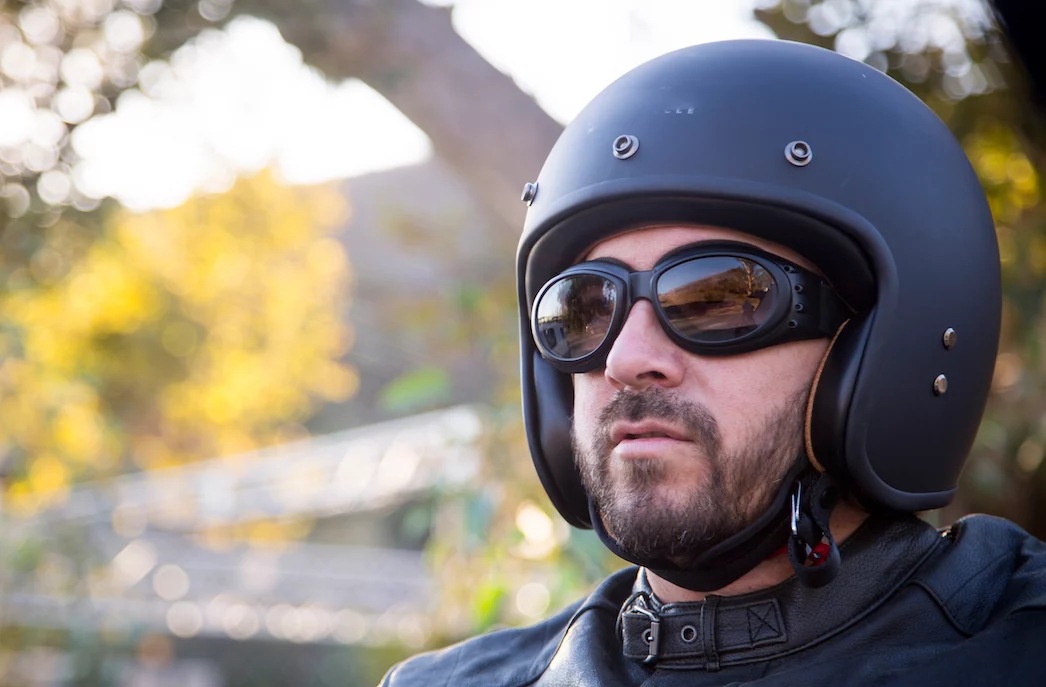
Once you’ve selected a DOT-approved helmet that suits you and your motorcycle, it’s time to find the right protective eyewear.
At high speeds, even tiny objects (for example, a pebble or an insect) can cause significant eye damage. Without protection, a small piece of rogue debris could lead to corneal abrasions and lacerations, resulting in partial blindness. Extra eyewear, like goggles, will prevent these injuries.
In addition to offering eye protection, eyewear makes it easier to navigate the streets in the sun and wind. Like sunglasses, tinted goggles will dim the sun and block out the wind so you don’t have to squint into the distance while you ride.
When choosing the best eye protection, consider the following:
Recommended products:
A motorcycle jacket is more than a statement about the type of rider you are. It also shields you from sun, wind, sleet, and — most importantly — painful injuries like road rash. If you get into a crash without a robust jacket, the asphalt will scrape away your exposed skin, and you might need extensive surgeries and skin grafts to heal.
To avoid a terrible injury like road rash, always wear a rugged motorcycle jacket. Keep these factors in mind when making a decision:
Jacket types:
Recommended products:
When picking a pair of motorcycle pants, the name of the game is balance — namely, the balance between comfort and protection. Relaxed-fit pants are perfect for street riding and touring, and sport-fit pants are designed for high-speed track racing.
As usual, the right pants for you will depend on what motorcycle you own and how you use it. Here are the key options to be aware of:
Recommended products:
No doubt, motorcycle gloves are an awesome accessory. Better yet, a tight-fitting pair of gloves will improve your grip, allowing you to shift, brake, and hold on to the handlebars more easily. Plus, if you get into a collision, a sturdy pair of gloves will protect your fingers and decrease your chances of breaking a bone.
Most motorcycle gloves are made of leather, textile, or a combination of both.
Make sure to pick a glove tailored to your riding type. If you ride a street bike, go with a pair of high-comfort street gloves. Race gloves offer outstanding protection, and touring gloves are great for riders who travel long distances. If you’re going to be doing lots of off-roading, give ADV gloves or dirt gloves a try.
Recommended products:
Before you rev up your motorcycle again, double-check that your boots are getting the job done. Use these categories to ensure that your motorcycle boots are cutting it:
Recommended products:
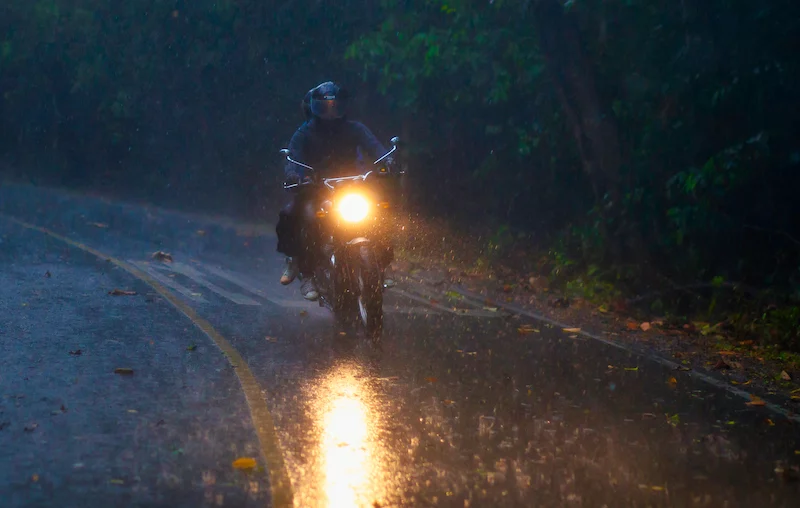
If you’ve been riding for a long time, you’ll know how it feels to see a threatening wall of thunderclouds on the horizon. When that time comes, you’ll want to be certain that you’ve got waterproof attire. That way, you have one less thing to worry about while braving the dangerous conditions.
In the realm of rain gear, you have two primary options:
Recommended products:
From gloves to jackets to ski masks, there are a handful of products that you’ll need to brace for the winter. Adding a selection of durable cold-weather gear to your wardrobe will help you focus on your driving during wintertime, allowing you to avoid motorcycle accidents.
Recommended products:
Now that you’re fitted with the best motorcycle protective gear, our Arkansas attorneys will leave you with our top five tips to help you stay safe on the road:
Before hopping on your motorcycle, run a quick safety check. Are your lights, signals, mirrors, and tires in good shape? If so, you’re good to go.
That way, you’ll know what type of gear to don before you head out.
In case of an emergency, you’ll be able to stop without ending up in a collision.
Since motorcycle riders are harder for cars and trucks to see, try to wear reflective gear and avoid blind spots when possible.
You’ll always want to be prepared for an accident.
Accidents still happen even if you’re equipped with the best gear money can buy.
If you or a loved one has been injured in a motorcycle crash, contact Rainwater, Holt & Sexton today. Our experienced team can provide strong legal guidance, explain more about Arkansas motorcycle safety gear, and help you get the recovery you deserve.
Just fill out our contact form — it only takes a minute — or call us at (501) 868-2500 and tell us your story today!
 N/a
N/a