










As a parent in Arkansas, keeping your child safe on the road is one of your top priorities. Every time you buckle your little one into their car seat, you’re not just following a routine—you’re making a conscious choice to protect the most precious person in your world.
Understanding and following the state’s car seat and booster seat laws isn’t just about avoiding tickets—it’s about keeping your child as safe as possible in the event of an accident. These laws are designed with that one goal in mind. They’re based on years of research and real-world data, all focused on minimizing the risk of injury to our youngest and most vulnerable passengers.
These regulations evolve as we learn more about child safety in vehicles. Our team of experienced car crash lawyers at Rainwater, Holt & Sexton is here to help you stay up-to-date on Arkansas car seat & booster seat laws and keep you informed with the best practices in child safety.
Let’s start with the basics. Arkansas law requires all children under 15 years old to be properly restrained while riding in a vehicle. But what does “properly restrained” mean? It depends on your child’s age, height, and weight.
Violating these regulations can result in fines of up to $100 for a first offense, while repeat offenders may face even steeper penalties.
It’s worth noting that Arkansas law states explicitly that “a child who is less than six (6) years of age and who weighs less than sixty pounds (60 lbs.) shall be restrained in a child passenger safety seat properly secured to the vehicle” (Arkansas Code Annotated § 27-34-104).
Once your child outgrows Arkansas’s booster seat requirements, it can be tempting to assume a seat belt alone is enough. However, age and size vary widely from child to child, and a booster seat may still be the safer option even if your child technically meets the state’s minimum height and weight requirements. The National Highway Traffic Safety Administration and child safety advocates recommend a simple, five-step test to check whether a child is ready to ride safely without a booster.
Ask your child to sit all the way back against the vehicle seat, then check the following:
If the answer to any of these questions is no, your child likely still needs a booster seat, regardless of their age. Many Arkansas children are not ready to ride with a seat belt alone until they are between ten and twelve years old, even though the legal minimum tied to height is sometimes reached earlier.
At Rainwater, Holt & Sexton, we have represented families whose children suffered serious abdominal or spinal injuries because a seat belt did not fit properly. These injuries, sometimes called seat belt syndrome, occur when the lap belt rides too high and presses into a child’s abdomen during a crash instead of resting against the pelvis, where it is designed to sit. Taking the extra step to confirm proper fit could help protect your child from this type of harm.
Arkansas law does not set a specific statutory age for when a child may ride in the front seat, aside from the narrow exception allowing a young child to ride up front in a vehicle without a back seat, provided any passenger airbag is deactivated. That said, the absence of a specific statute does not mean the front seat is a safe choice for younger children.
Front passenger airbags are designed to protect fully grown adults, and they deploy with tremendous force within milliseconds of a crash. For a child whose bones, neck, and skull are still developing, this force can cause severe injury even in a collision that an adult would walk away from largely unharmed. This is why the American Academy of Pediatrics and the National Highway Traffic Safety Administration both recommend keeping children in the back seat until at least age thirteen, regardless of whether they have transitioned out of a booster seat and passed the seat belt fit test described above.
The back seat also tends to sit farther from the point of impact in common crash types, such as head-on collisions, giving children an added layer of protection. If your family regularly travels with more children than can comfortably fit in the back seat, consider whether a larger vehicle might allow every child to remain safely in the rear until they reach the recommended age.
Should your child be injured while riding in the front seat, this fact alone does not necessarily bar you from recovering compensation after a crash caused by another driver’s negligence. However, an insurance company may attempt to use your child’s seating position to argue that your family shares some responsibility for the extent of the injuries. Our attorneys at Rainwater, Holt & Sexton can help you respond to these arguments and work to hold the negligent driver fully accountable for your child’s injuries.
While following the letter of the law is crucial, many safety experts recommend going above and beyond these minimum requirements. The American Academy of Pediatrics (AAP), for instance, suggests keeping children in rear-facing seats until they reach the highest weight or height allowed by their car seat’s manufacturer. This often extends well beyond the 2-year mark set by Arkansas law.
Similarly, the National Highway Traffic Safety Administration (NHTSA) recommends that children use booster seats until they can fit properly in an adult seat belt. This means the lap belt lies across the upper thighs (not the stomach), and the shoulder belt lies across the chest (not the neck). For many kids, this doesn’t happen until they’re 8-12 years old.
Remember, these car seat laws and recommendations aren’t about restricting your child—they’re about protecting them. Car crashes remain a leading cause of death for children in the United States. Using the right car seat or booster seat can significantly reduce the risk of injury or death in a crash.
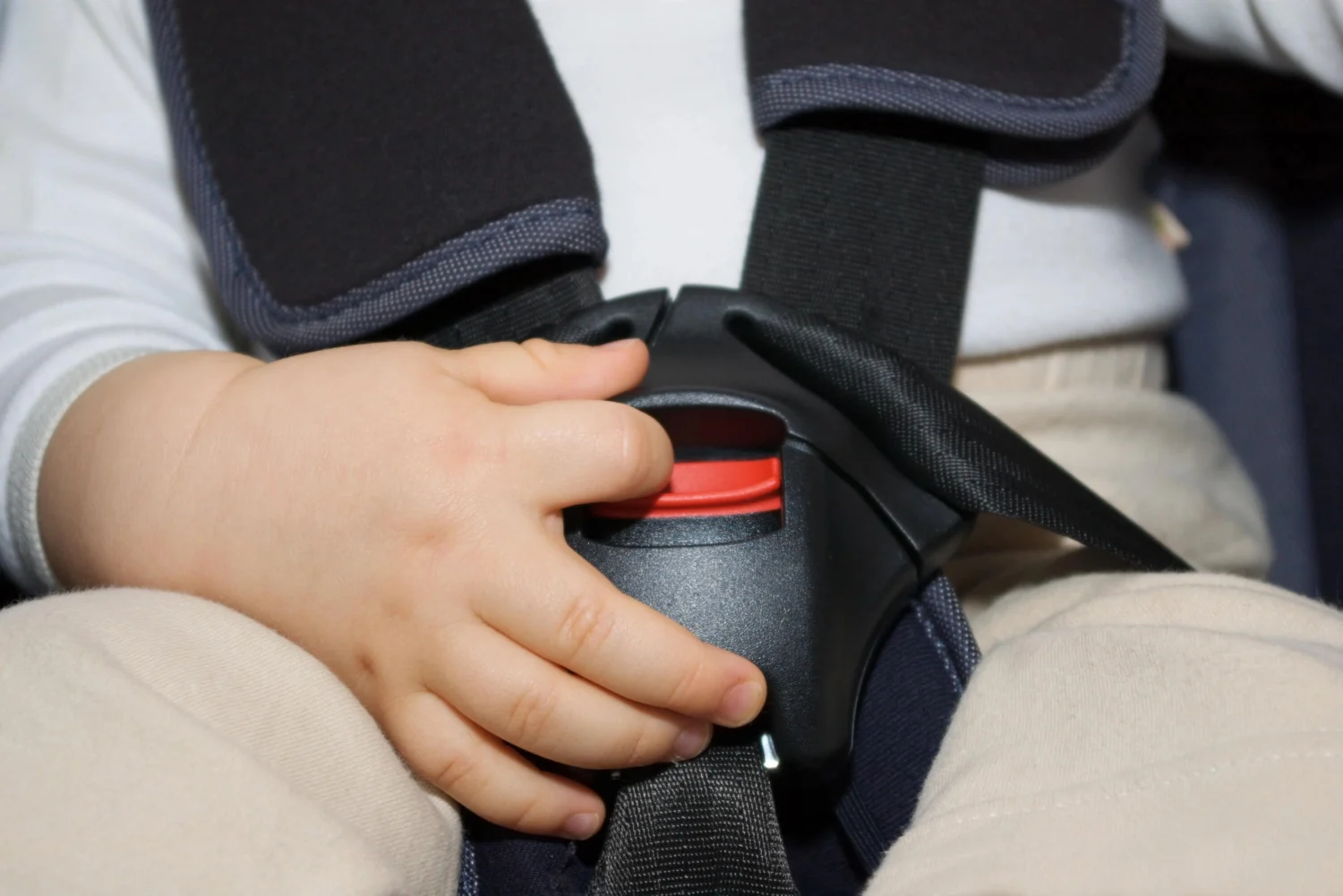
Having the right car seat is only half the battle—it needs to be installed and used correctly to provide maximum protection. Here are some general guidelines:
Common installation mistakes include using both the safety belt and LATCH system (unless specifically allowed by the manufacturer), not tightening the safety belt or LATCH strap enough, and incorrectly positioning the harness straps.
If you’re not sure you’ve installed your car seat correctly, help is available. Many organizations in Arkansas offer free car seat checks by certified technicians. These include:
During a car seat check, a trained professional will inspect your car seat’s installation, show you how to correct any errors, and answer any questions you might have. It’s a great opportunity to ensure you’re doing everything possible to keep your child safe on the road.
As you navigate the world of car seats and child passenger safety, you might have some questions. Here are answers to some common ones:
Arkansas law does provide some exceptions. For instance, if a vehicle doesn’t have a rear seat, a child under five can ride in the front seat in a proper child safety seat. However, if the vehicle has a passenger-side airbag, the child should only ride in the front if the airbag can be deactivated.
The same laws apply whether you’re in your own car or a rideshare vehicle. If you’re traveling with a child who requires a car seat, you’ll need to bring one with you when using these services. Some rideshare companies offer car seat options, but availability can be limited.
Our No Fee Guarantee® means you pay us nothing unless we win your case.
It’s a scenario no parent wants to imagine, but the reality is that car accidents happen. When used correctly, car seats reduce the risk of fatal injury by 71% for infants and 54% for toddlers in passenger cars. For older children, booster seats reduce the risk of serious injury by 45% compared to seat belts alone.
But beyond the immediate safety benefits, proper car seat use can also protect you legally. If you’re involved in an accident and your child is injured, not having them in an appropriate car seat could be seen as negligence. It could also affect your ability to claim compensation for their injuries.
Here’s how this could play out in different scenarios:
If you’re seeking compensation from an insurance company (either your own or the other driver’s), the insurer might argue that your failure to use a proper car seat contributed to your child’s injuries. This could lead to a reduced settlement or even a denied claim.
If you decide to file a lawsuit against another driver for injuries your child sustained in an accident, the defendant might use your failure to use a proper car seat as a defense. They could argue that your negligence, not their actions, caused or exacerbated your child’s injuries.
In extreme cases, repeated failure to use appropriate car seats could be used as evidence of neglect in child custody proceedings. While a single instance is unlikely to have such severe consequences, a pattern of disregard for child safety laws could be problematic.
While rare, there have been cases where parents faced criminal charges for not properly restraining their children in vehicles, especially if it resulted in serious injury or death.
Understanding and following Arkansas’s car seat and booster seat laws is crucial for keeping your child safe on the road. But remember, these laws are just the minimum requirements. For maximum safety, consider following the more stringent recommendations of organizations like the AAP and NHTSA.

At Rainwater, Holt, & Sexton, we understand the unique challenges of car accidents involving children. Our team of experienced attorneys has a deep understanding of Arkansas car seat laws and how they impact accident cases.
We’re committed to helping Arkansas families stay safe on the road and get the support they need if accidents do occur. Whether you have questions about car seat laws or need legal representation after an accident, we’re here to help. Your child’s safety is our priority—on the road and in the courtroom.
We offer free, no-obligation consultations. Send us a message or give us a call today at (501) 868-2500, and we’ll guide you to the right next step for you and your family.
This is our home, and we want to ensure our neighbors and friends are supported. With offices throughout Arkansas — Little Rock, Springdale, Conway, Hot Springs, Bryant, Jacksonville, and Jonesboro — our accident lawyers are easily accessible when you need help with Arkansas car seat & booster seat laws.
 N/a
N/a